
Can I add radiant ceiling heat to an existing home?
The short answer
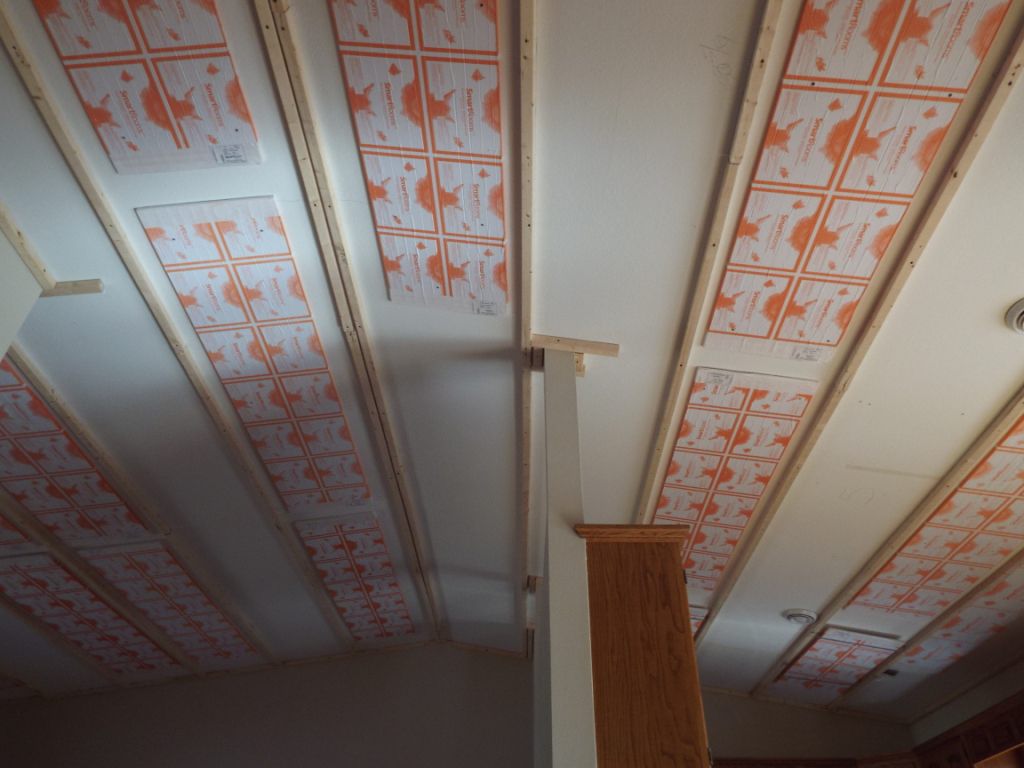
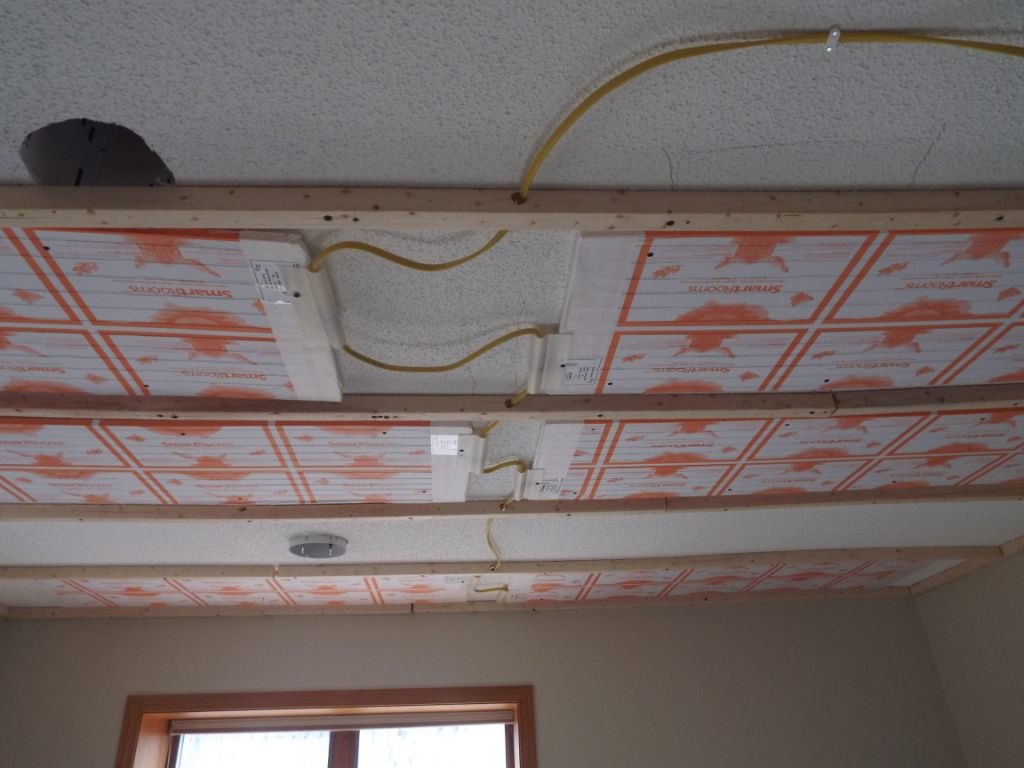
Yes. With attic access, the panels go above the existing ceiling. Without it, furring strips go on the existing ceiling, the panels go between them, and new drywall covers everything.
Retrofitting an existing ceiling
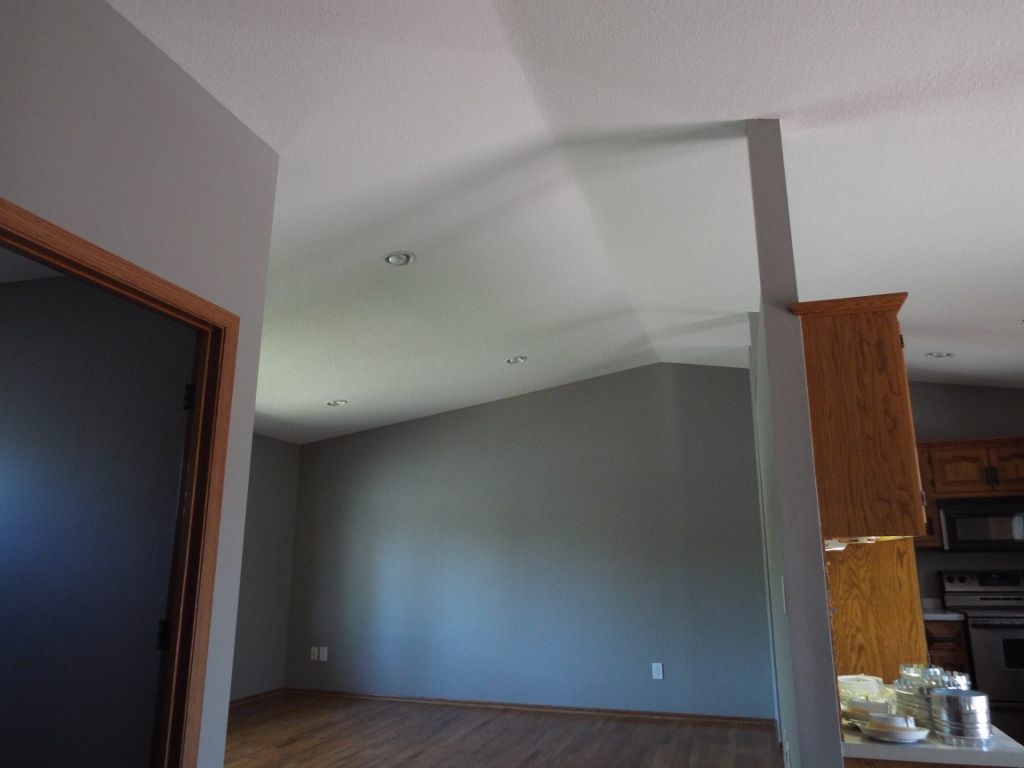
Fasten 2 × 2 furring strips or 2 × 4s across the existing ceiling, place the heating panels as shown on the Premier Energy USA layout drawing, and wire them to the thermostat or a relay junction box. Then put up new drywall. The result is an invisible heating system.
In most retrofits and remodels, the homeowner or a local electrician does the installation, sometimes with Premier Energy USA helping coordinate.
Remodels
If a remodel opens the ceiling anyway, the panels go between the joists before the new ceiling goes up. One couple remodeling a home built in 1904–1906 replaced a 1960s ceiling heating system this way.
Answer drawn from Premier Energy USA’s blog. Read the original post.
Watch it.
More questions.
See all questions-
Choosing and Installing
Won’t a radiant ceiling lose heat through the roof?
Not if the ceiling is insulated properly. Drywall has a very low R-value, and the radiant energy passes right through it, while the insulation above sends the heat down into the room. On a cold day, a thermal camera in the attic shows no heat coming through. -
Choosing and Installing
What’s the best way to heat a garage or shop?
There are three ThermaRay options. Thermal mass panels go under a new slab. Radiant ceiling panels hide above the ceiling, new or existing. Architectural Series metal heaters mount on or hang from the ceiling where you can see them. -
Choosing and Installing
Can I heat a floor from below without tearing it up?
Yes. Floor joist heating hangs radiant panels 1½ to 2 inches below the subfloor, in the joist spaces. It doesn’t raise the floor, isn’t in the wear surface, and the flooring can be changed later without touching it.
Have a question of your own?
Call or describe your project, and you'll get a straight answer, with real operating costs from similar buildings.