
Heated driveways and walkways that clear themselves.
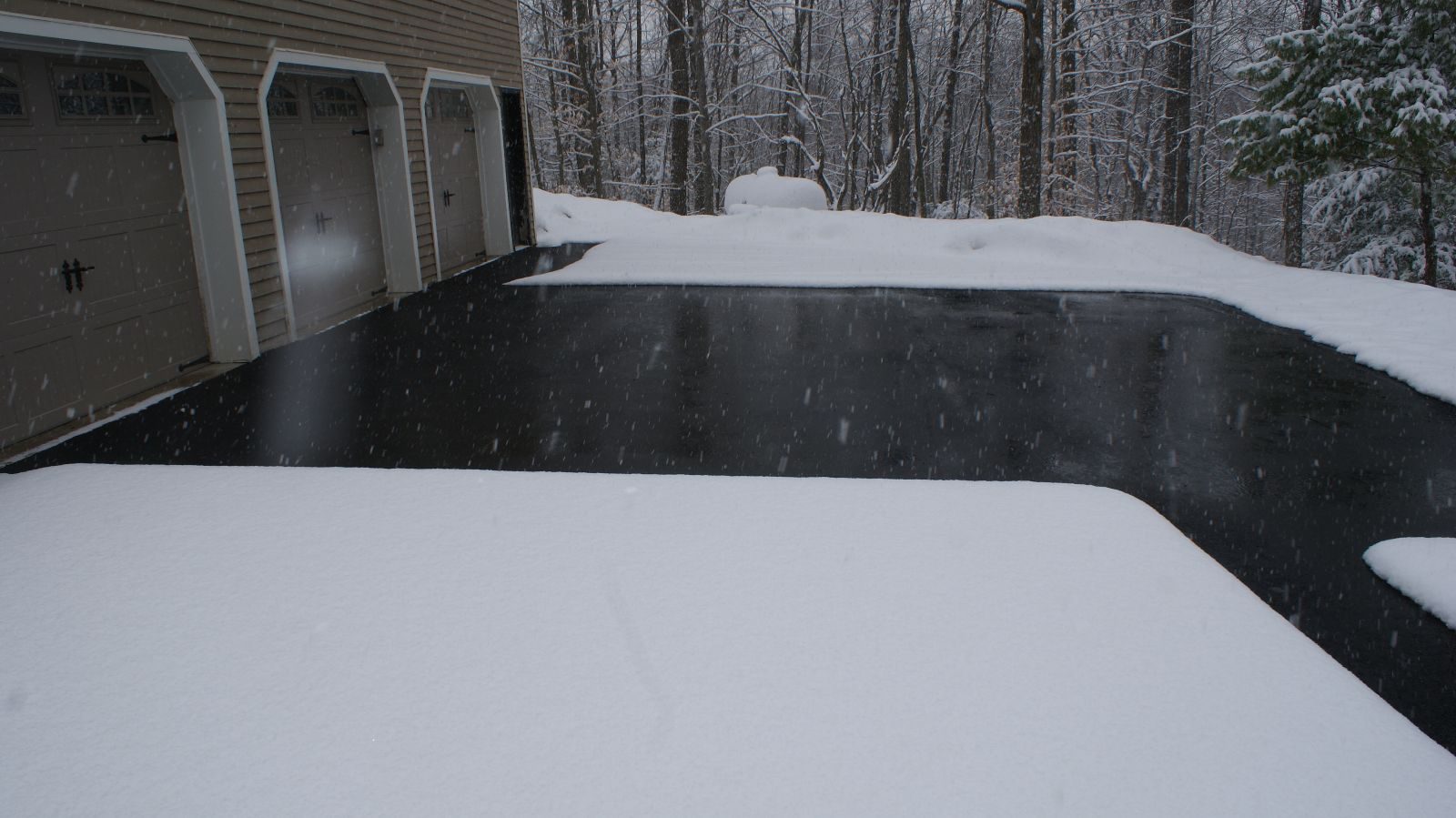
A ThermaRay snow melt system sits below concrete, pavers or asphalt. Sensors turn it on when snow or ice is coming, so the surface stays clear without shoveling, plowing or salt.
- Where it goes
- Under concrete, pavers or asphalt
- Best for
- Driveways, sidewalks, steps, ramps, entrances, loading aprons, parking areas
- Role
- Automatic snow and ice removal
Below the surface, where it lasts.
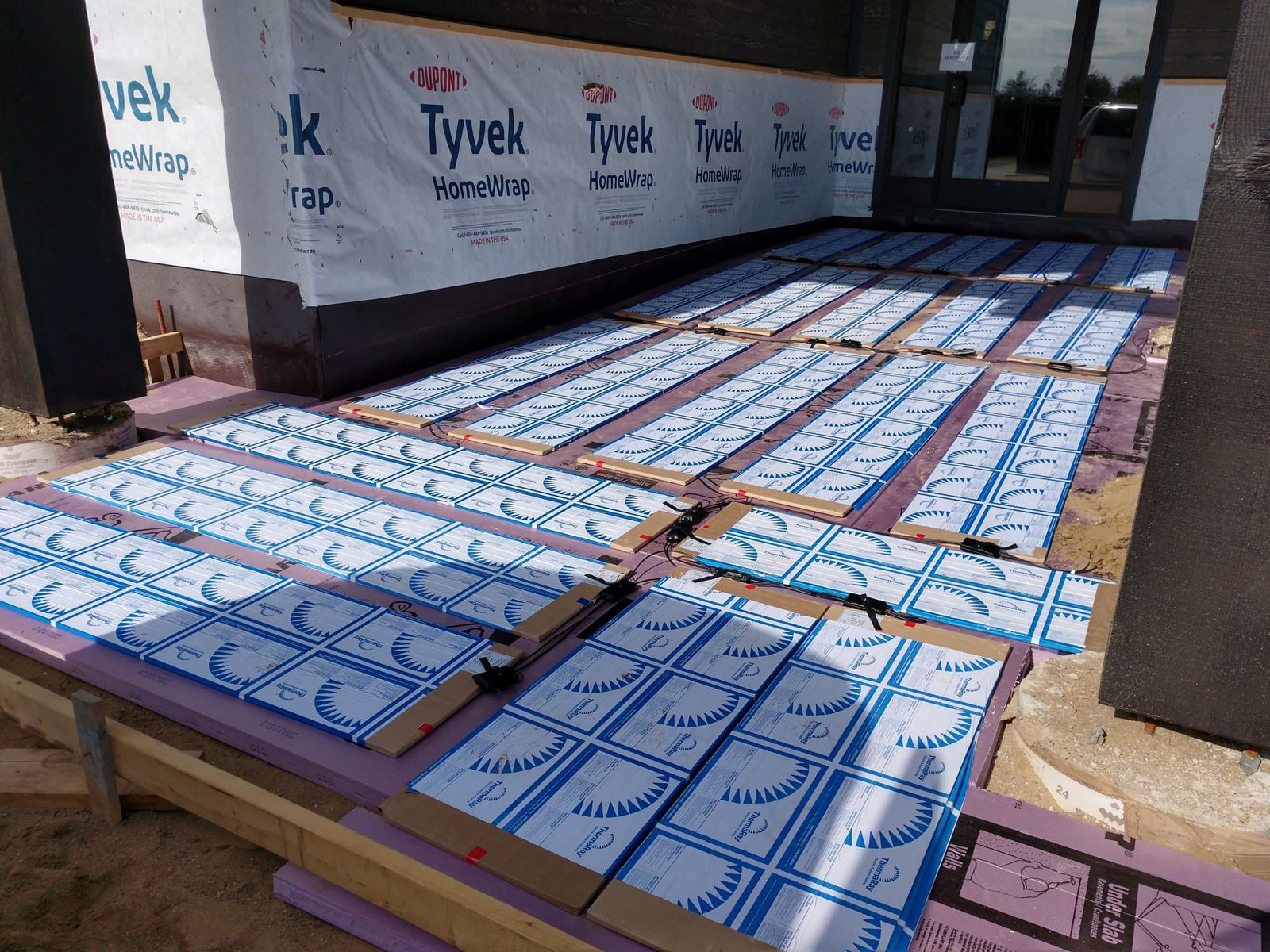
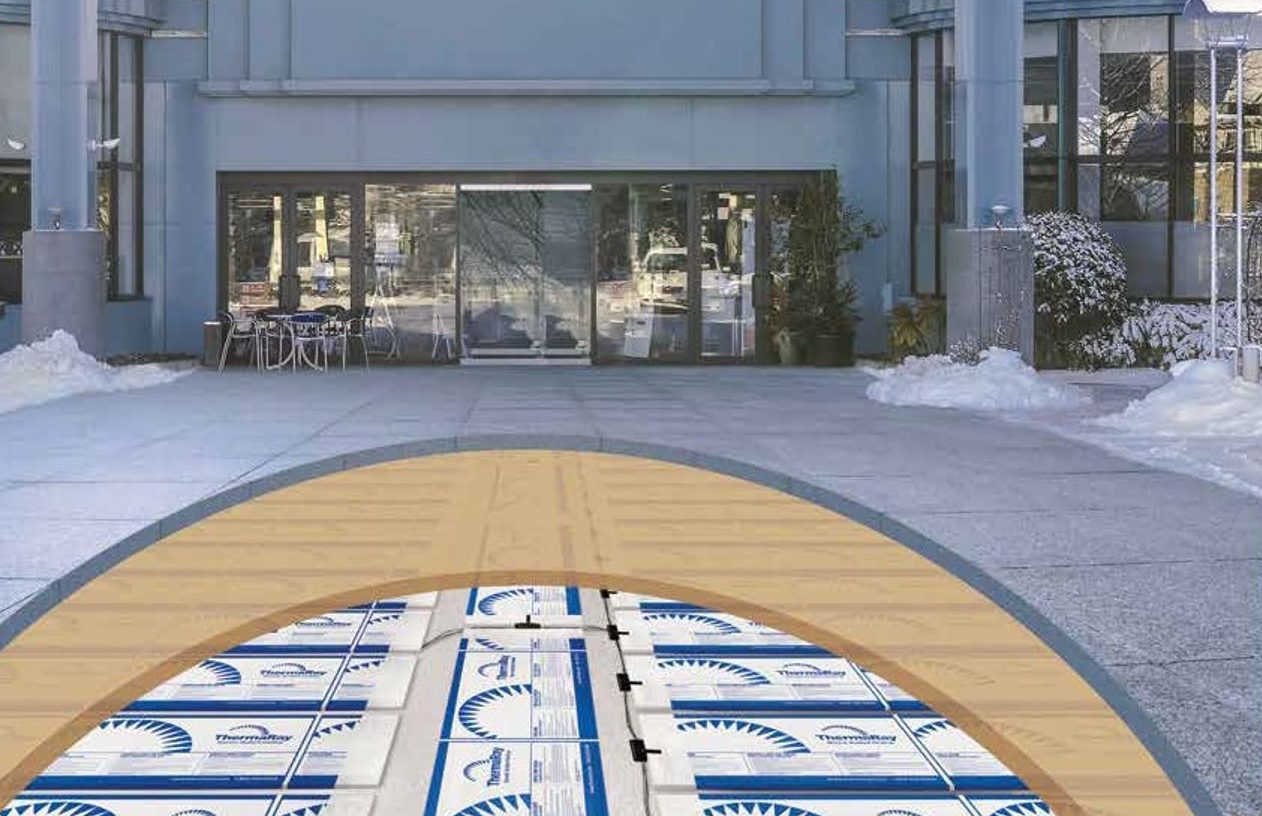
This is a limited mass system. The panels sit below the wear surface instead of being cast into the concrete, which protects them from the cracking, heaving, shifting and chemicals that ruin embedded systems.
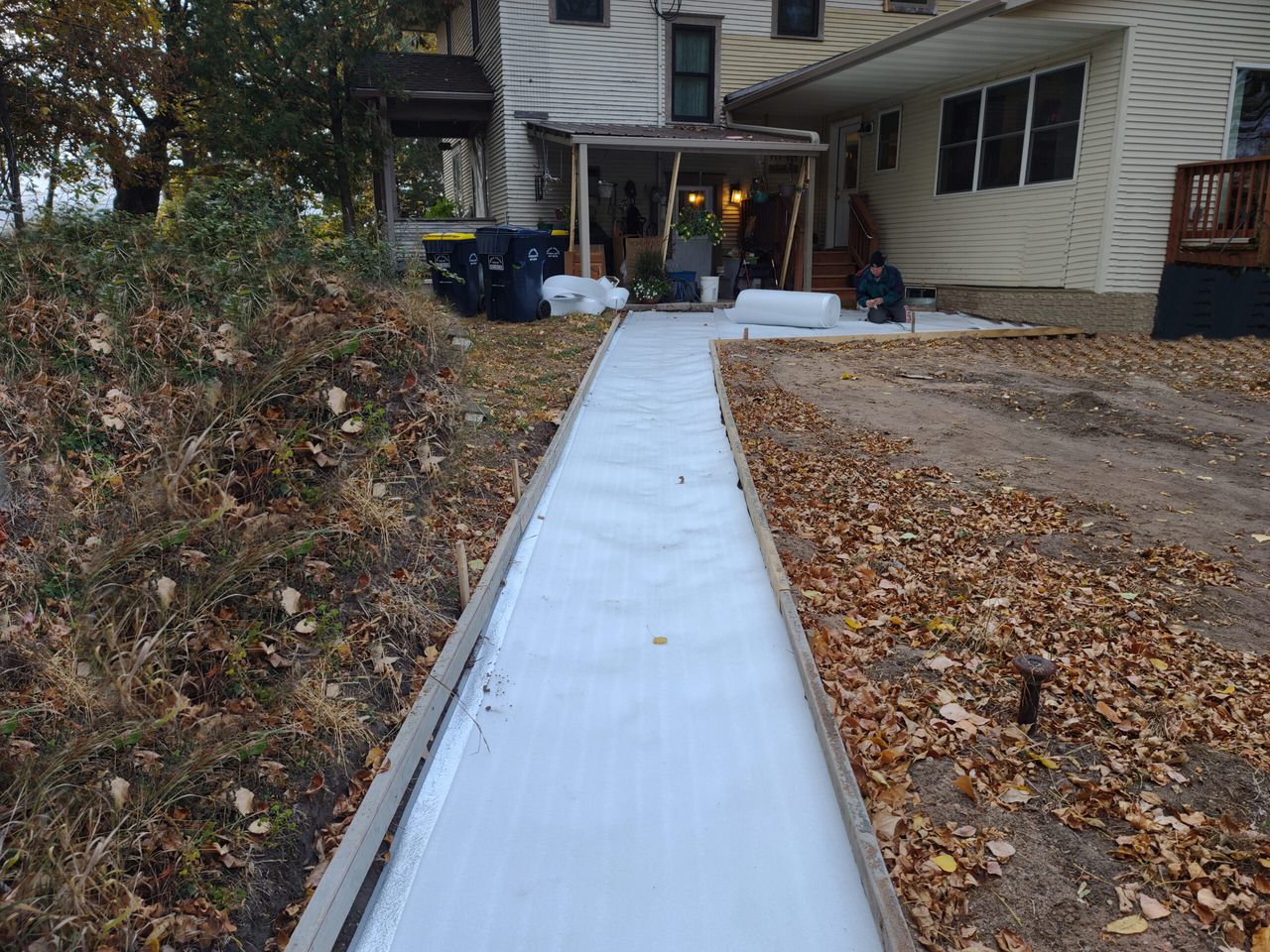
Insulation goes under the panels to push the heat up as fast as possible. That’s the opposite of the thermal mass floor system, which uses the ground below on purpose.
Keeping entrances, sidewalks, steps, ramps and parking areas clear also cuts snow removal time and cost, lowers the risk of slip-and-fall injuries, and helps the concrete last longer without salt.
What you get
- No shoveling, plowing, salt or chemicals
- Turns on automatically when snow or ice is coming
- Black ice detection available
- Reduces slip-and-fall risk and liability
- Cuts snow removal time and cost
- Helps concrete last longer
- No moving parts and no maintenance
- Qualifies for 15 LEED points
Sensors decide when it runs.
Snow sensors watch moisture and temperature. When they detect that snow or ice is about to form, they turn the system on and keep the surface clear until conditions pass. Then it shuts off, so it only uses power when it’s needed.
The panels go on 1 to 2 inches of rigid foam board or Low-E Slab Shield insulation, with the concrete, pavers or asphalt on top.
Specs and sizes.
| Heating element | Double Teflon-coated nickel-chromium heating wire embedded in a gypsum (sheetrock) panel. The panel just keeps the wire evenly spaced and makes it easy to ship and handle. |
|---|---|
| Panel thickness | 1/2 inch |
| Panel width | 18 inches |
| Panel lengths | 4, 5, 7 or 8 feet |
| Connections | Two hot-to-cold feed connections, with two 6-inch leads at one end of each panel |
| Insulation under panels | 1 or 2 inch rigid foam board, or Low-E Slab Shield |
| Surfaces | Concrete, pavers or asphalt |
| Controls | Moisture and temperature sensors, with optional black ice detection |
| LEED | Qualifies for up to 15 points |
Downloads
- Snow Melt Flyer (PDF)How the system works, with install photos
- Floor Heat Spec Sheet (PDF)Panel sizes, wattages and wiring
- Control Options (PDF)Thermostats, sensors and automation choices
- LEED Points (PDF)Credits a ThermaRay system can earn
Every system can be paired with a control package, from a simple wall thermostat to full building automation. See the controls
From the job site.
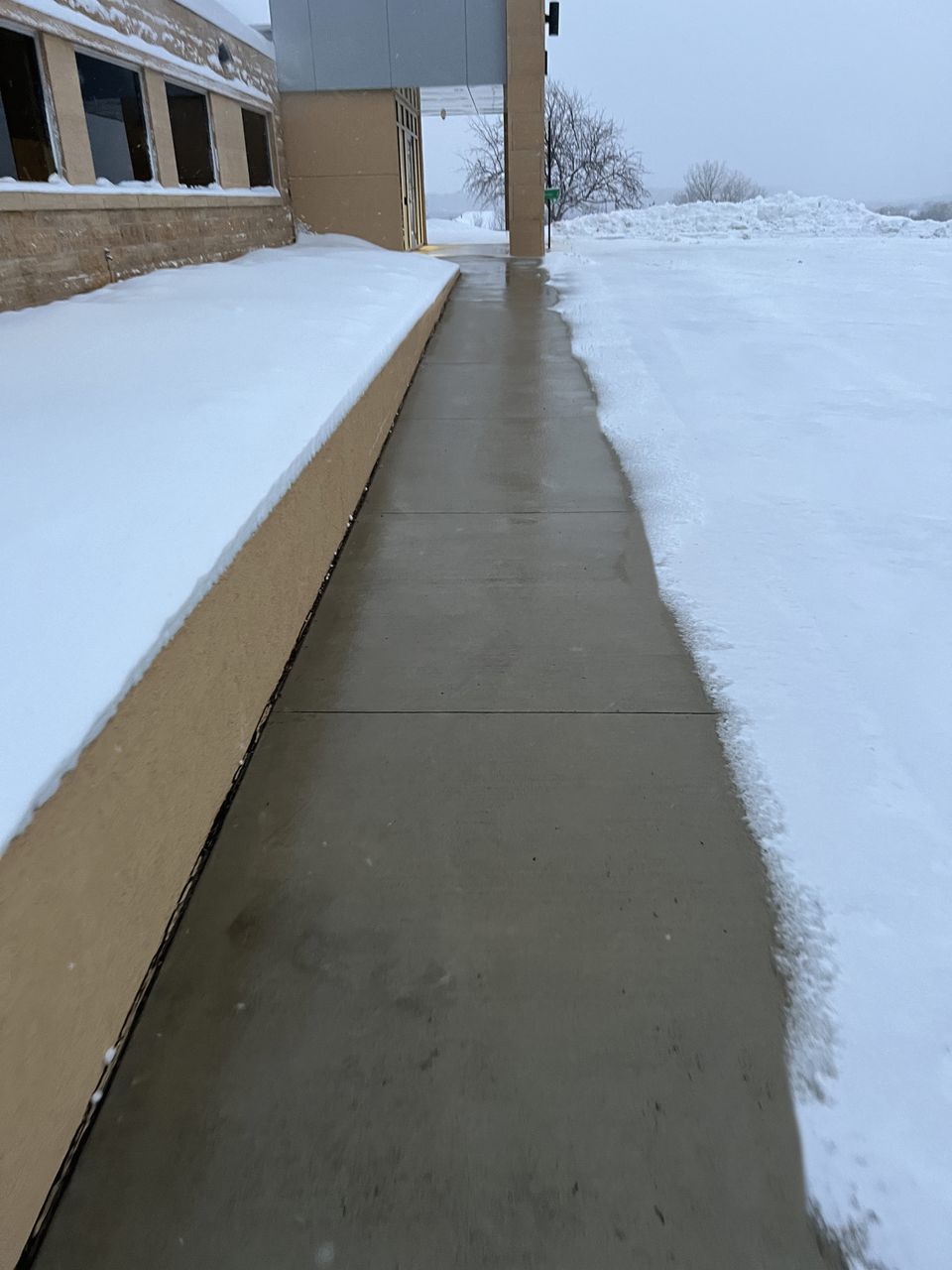
Installed and working.
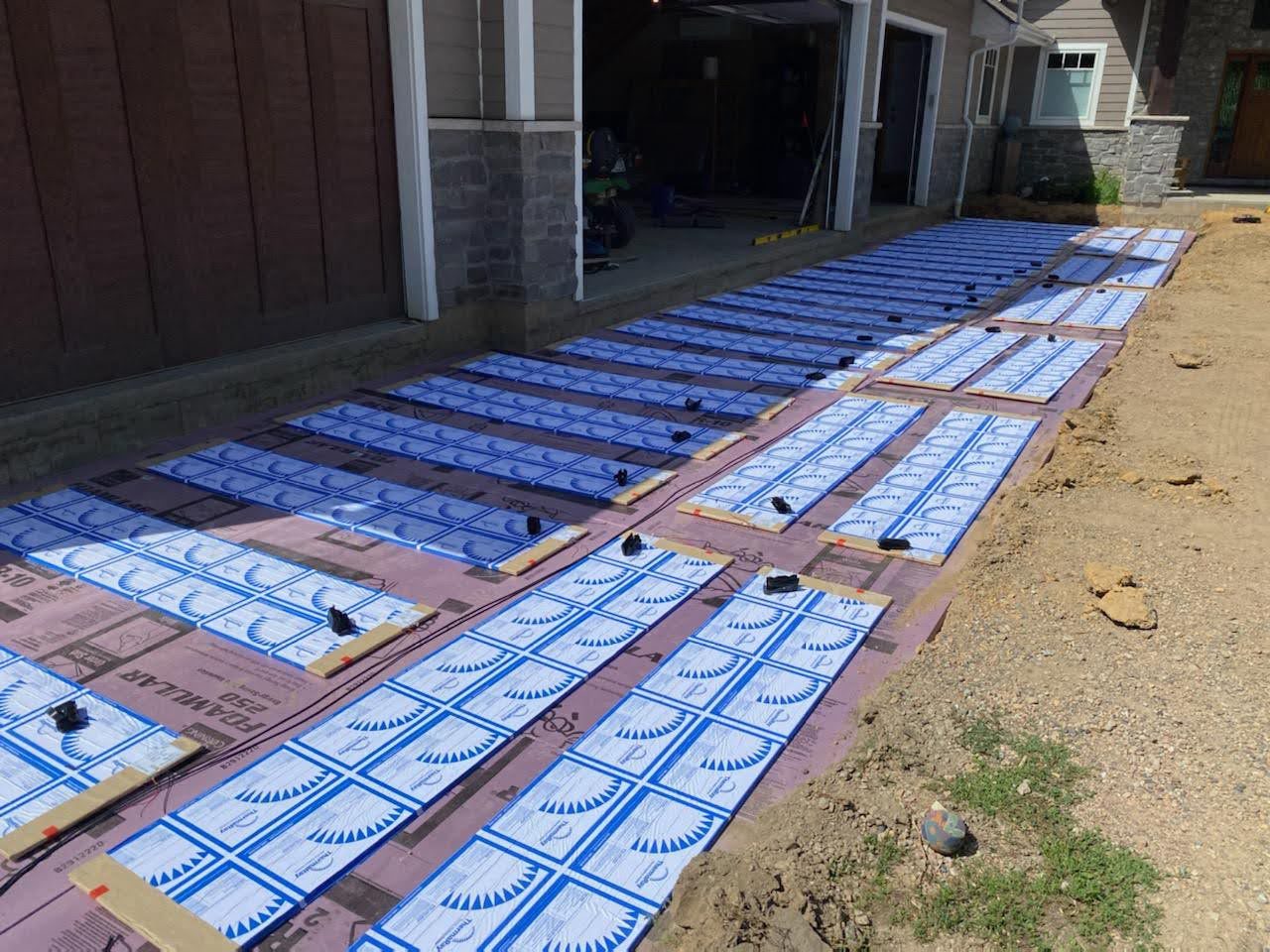
Residential
Garage apron and driveway
Snow melt panels on a garage apron before the concrete is poured.
How much does a heated driveway cost?
It depends on the area, the surface (concrete, pavers or asphalt) and your electric rate. Because sensors only run the system when snow or ice is present, operating costs stay low. Premier Energy USA provides a free assessment and estimate for each project.
How does a snow melt system know when to turn on?
Snow sensors monitor moisture and temperature. When snow or ice is imminent, they start the system and keep it running until conditions clear. Black ice detection is also available.
Why do the panels go below the surface instead of in the concrete?
Embedded systems are exposed to the cracking, heaving, shifting and salt that wear concrete out. Placing the panels below the wear surface protects them for the life of the driveway.
Does a heated driveway need insulation underneath?
Yes. Unlike the thermal mass floor system, snow melt uses 1 to 2 inches of rigid foam or Low-E Slab Shield under the panels, so the heat goes up to the surface as fast as possible.
Can it go under pavers or asphalt?
Yes. The system works under concrete, pavers and asphalt for driveways, sidewalks, steps, ramps, entrances and parking areas.
Get a design for your building.
Tell us about the space and we'll size the system room by room, with drawings and install instructions for you or your electrician.