
Why shouldn’t snow melt go directly in the concrete?
The short answer
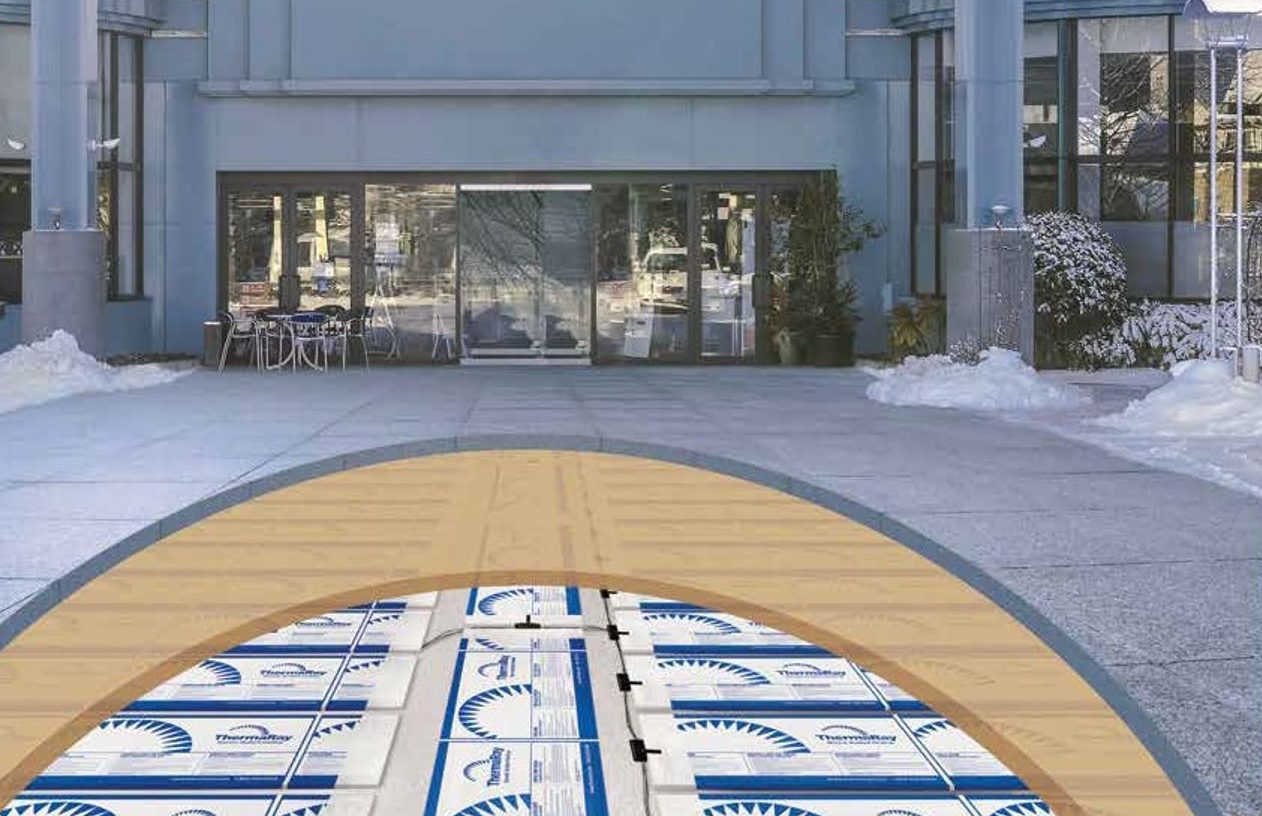
Concrete expands, contracts, heaves, cracks and settles, and its chemicals attack materials over time. That eventually destroys a system cast inside it. ThermaRay’s limited-mass panels go below the wear surface, under concrete, asphalt or pavers, where they’re protected.
Below the wear surface
Most snow and ice melting systems are cast directly into the concrete, and that’s the biggest mistake you can make. Expansion, contraction, heaving, cracking, settling and shifting all work to destroy the system, along with the chemicals in the concrete.
ThermaRay’s limited-mass system sits below the wear surface instead, under concrete, asphalt or pavers, protected from all of that. Insulation under the panels sends the heat up so the surface warms quickly.
Where it’s used
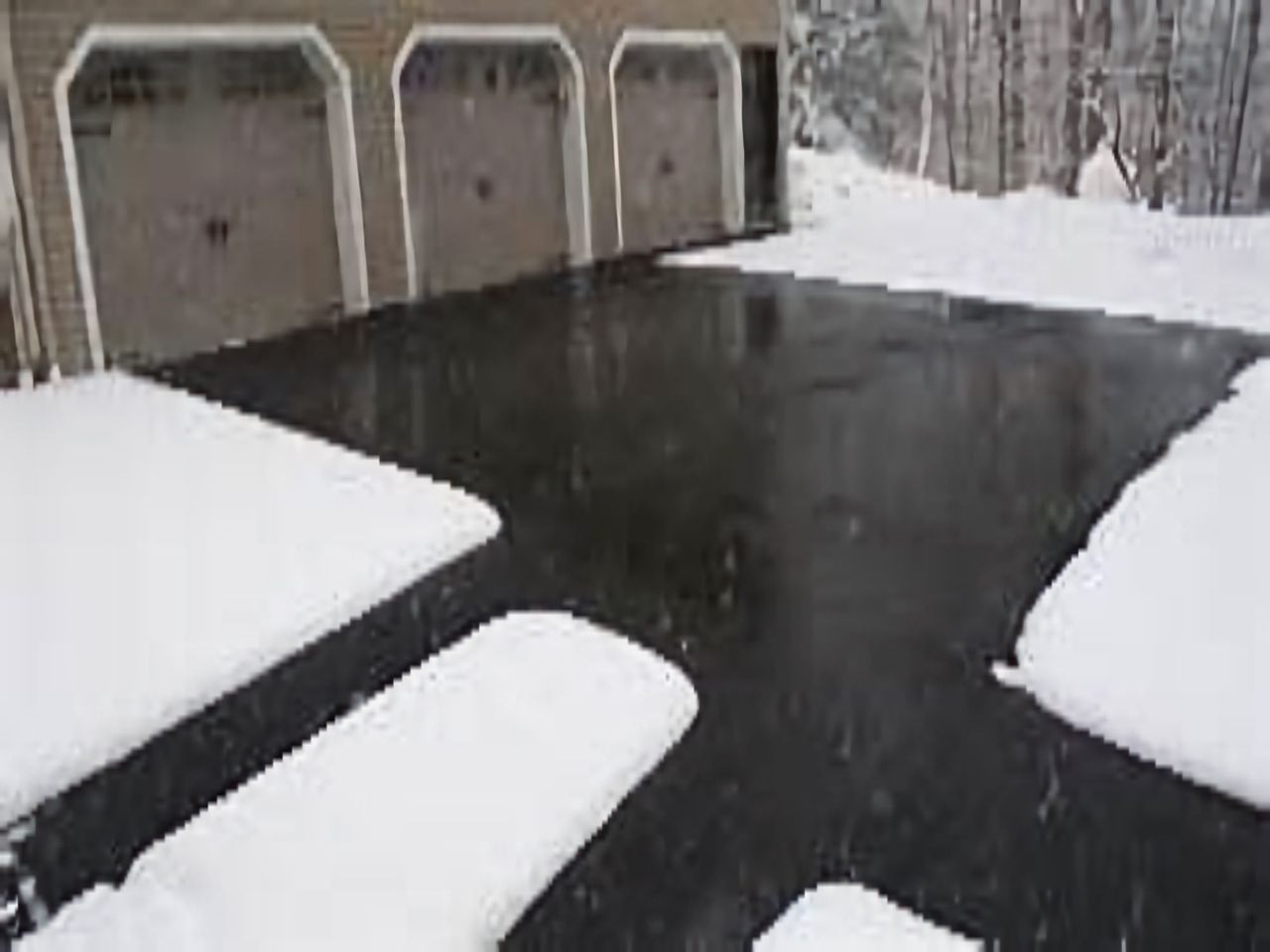
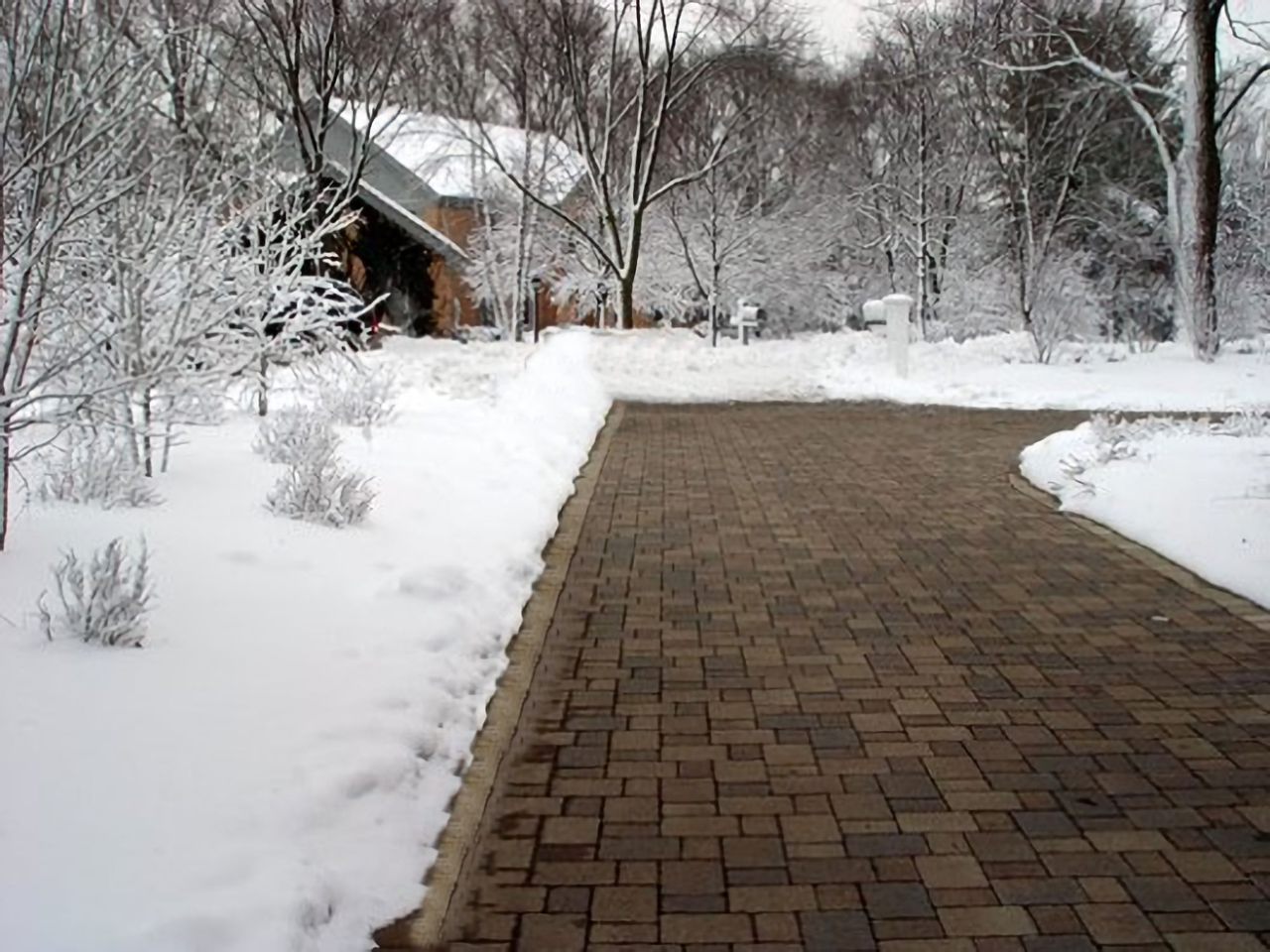
Sidewalks, entrances, ramps, aprons and driveways. Sometimes the simplest answer is just getting safely in and out of the garage, and a tire-tracks-only layout does exactly that.
Automatic snow melting cuts shoveling labor, liability and the damage salt and chemicals do to the surface, and it extends the life of the wear surface.
Answer drawn from Premier Energy USA’s blog. Read the original post.
More questions.
See all questions-
Choosing and Installing
Won’t a radiant ceiling lose heat through the roof?
Not if the ceiling is insulated properly. Drywall has a very low R-value, and the radiant energy passes right through it, while the insulation above sends the heat down into the room. On a cold day, a thermal camera in the attic shows no heat coming through. -
Choosing and Installing
What’s the best way to heat a garage or shop?
There are three ThermaRay options. Thermal mass panels go under a new slab. Radiant ceiling panels hide above the ceiling, new or existing. Architectural Series metal heaters mount on or hang from the ceiling where you can see them. -
Choosing and Installing
Can I add radiant ceiling heat to an existing home?
Yes. With attic access, the panels go above the existing ceiling. Without it, furring strips go on the existing ceiling, the panels go between them, and new drywall covers everything.
Have a question of your own?
Call or describe your project, and you'll get a straight answer, with real operating costs from similar buildings.