
Electric floor warming for tile, stone and wood.
A thin ThermaRay heating cable goes on top of the subfloor or an existing slab and under almost any flooring. Cold tile becomes a warm floor.
- Where it goes
- Under tile, stone or wood
- Best for
- Bathrooms, kitchens, entryways, slab remodels
- Role
- Primary, supplemental or luxury heat
The lowest-profile
floor heat there is.
Floor warming turns cold surfaces into an even, gentle warmth. It’s in the plans of many new construction and remodeling projects because it has the lowest profile in the industry, it’s easy to install, and it’s allergen safe.
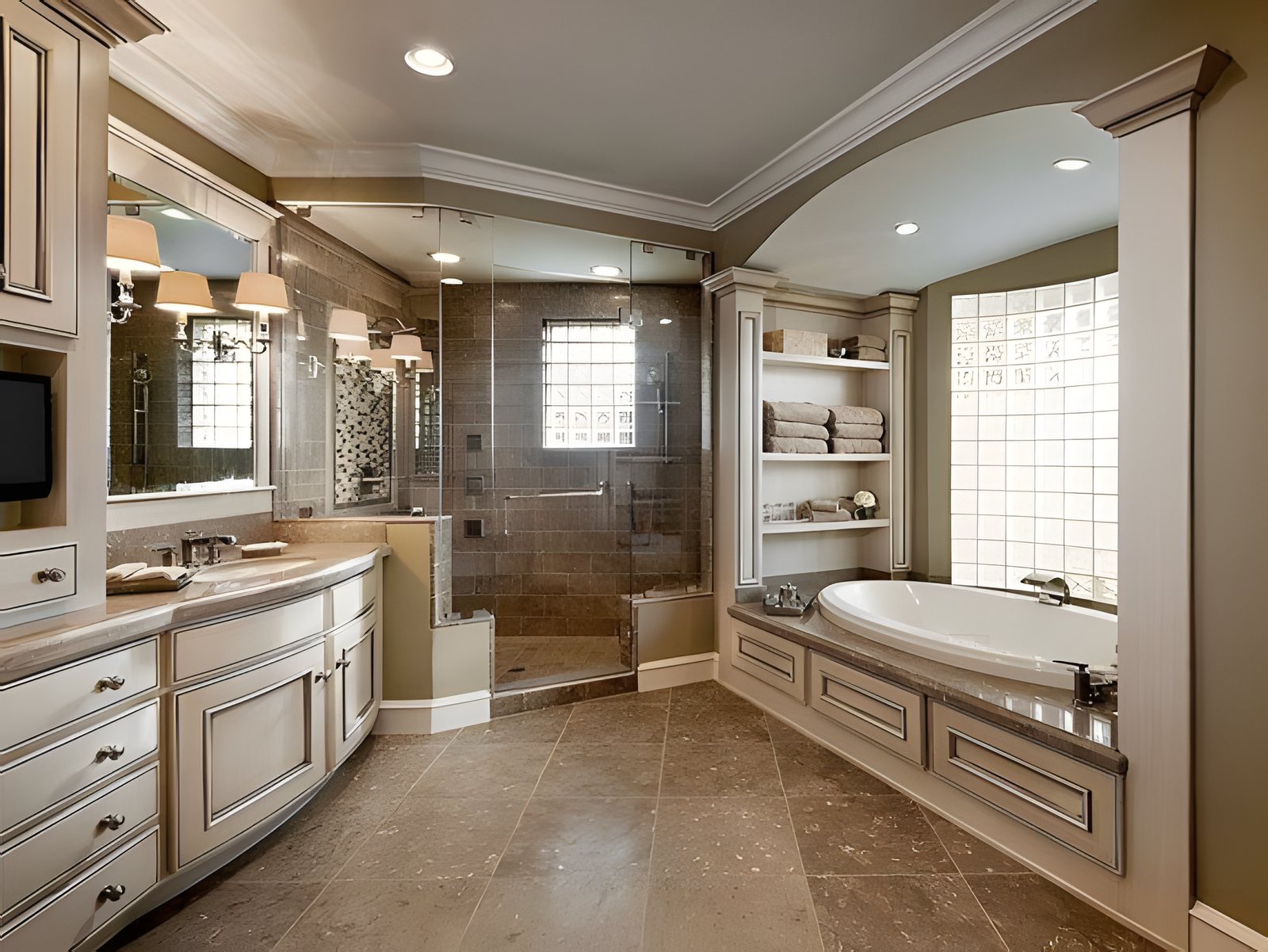
It suits the rooms where cold floors bother people most: bathrooms, kitchens, entryways and foyers. It can also cover an entire space.
“The electric radiant floor heating in the house is now comfortable, constant, clean. Every room has its own thermostat.”
What you get
- Goes under nearly every floor covering
- Lowest profile in the industry
- Spools combine to cover larger spaces
- Even, gentle warmth with no drafts
- Silent, with no maintenance
- Invisible, with controls that can be invisible too
- Qualifies for LEED points
- A 45+ year track record with no failed systems
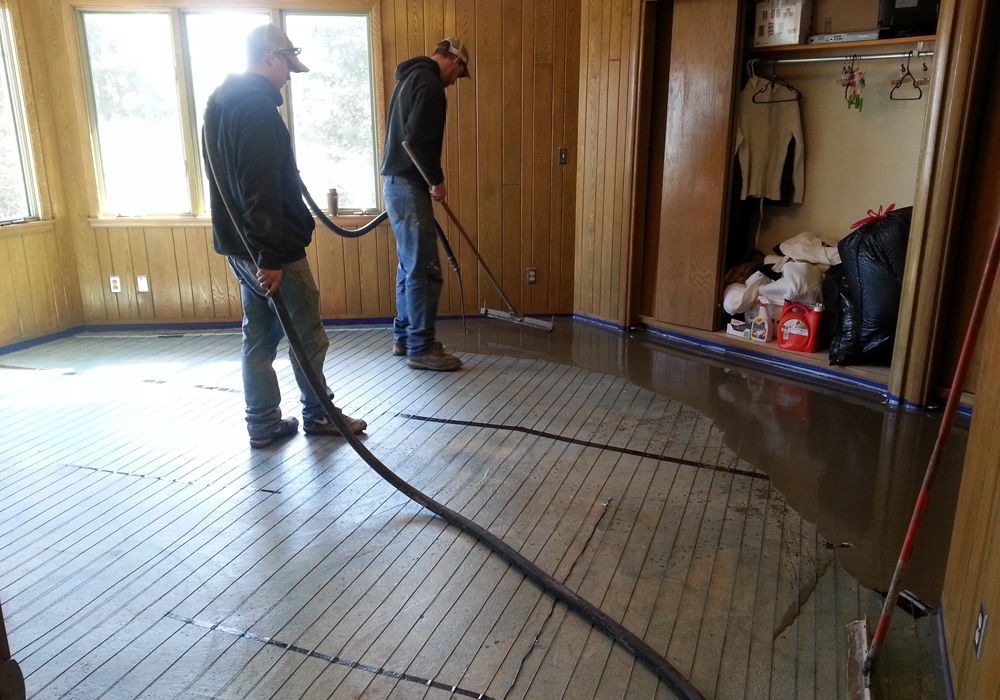
How a floor warming cable goes in.
Cable spools come in a range of lengths and wattages to match the area you want to warm. The cable is spaced evenly across the floor, and the leads run back to the thermostat or a junction box.
Spacing strips are available, but an uncoupling membrane is recommended. A floor sensor goes between the cables, then self-leveling concrete or thin-set covers everything before the finished floor goes down.

Specs and sizes.
| Type | Heating cable on spools |
|---|---|
| Sizes | Multiple lengths and wattages, sized to the area |
| Larger areas | Spools can be combined |
| Cable spacing | Spacing strips, or an uncoupling membrane (recommended) |
| Floor sensor | Placed between the cables |
| Covered by | Self-leveling concrete or thin-set |
| Floor coverings | Tile, stone, wood and nearly all others |
Downloads
- Floor Warming Flyer (PDF)How the system works, with install photos
- Control Options (PDF)Thermostats, sensors and automation choices
- LEED Points (PDF)Credits a ThermaRay system can earn
Every system can be paired with a control package, from a simple wall thermostat to full building automation. See the controls
See it installed.
Projects with this system.
See all 3 projects-
 Floor Warming
Aman New York
Midtown Manhattan, New York The historic Crown Building on Fifth Avenue became a hotel and residences, heated with three ThermaRay systems. -
 Floor Warming
A St. Paul kitchen, fixed for good
St. Paul, Minnesota, 2022 Floor warming cable failed when a tile floor cracked. Floor joist heating under the subfloor fixed it, safely out of the way.
What flooring can go over electric floor warming?
Nearly all of it: tile, stone, wood and most other coverings. The cable is covered with self-leveling concrete or thin-set first.
Can I heat a bathroom floor in a remodel?
Yes. The cable goes on top of the existing subfloor or slab, so a bathroom remodel is one of the most common places to add it.
How is the cable installed?
The cable is spaced evenly across the floor, usually on an uncoupling membrane. A floor sensor goes between the cables, the leads run back to the thermostat, and the whole floor is covered with self-leveler or thin-set.
Can floor warming heat a whole room?
Yes. Spools come in several lengths and wattages and can be combined, so a system can cover an entire space as primary, supplemental or luxury heat.
Get a design for your building.
Tell us about the space and we'll size the system room by room, with drawings and install instructions for you or your electrician.