Electric radiant heat for floors, ceilings and driveways.
Premier Energy USA designs and supplies ThermaRay radiant heating for homes, businesses and industrial buildings. The heat is built into the structure, so there are no ducts, no boiler, and nothing to maintain.
New construction, remodel or retrofit. Each system is matched to the building with a room-by-room heat loss calculation, so you only install the heat you need.
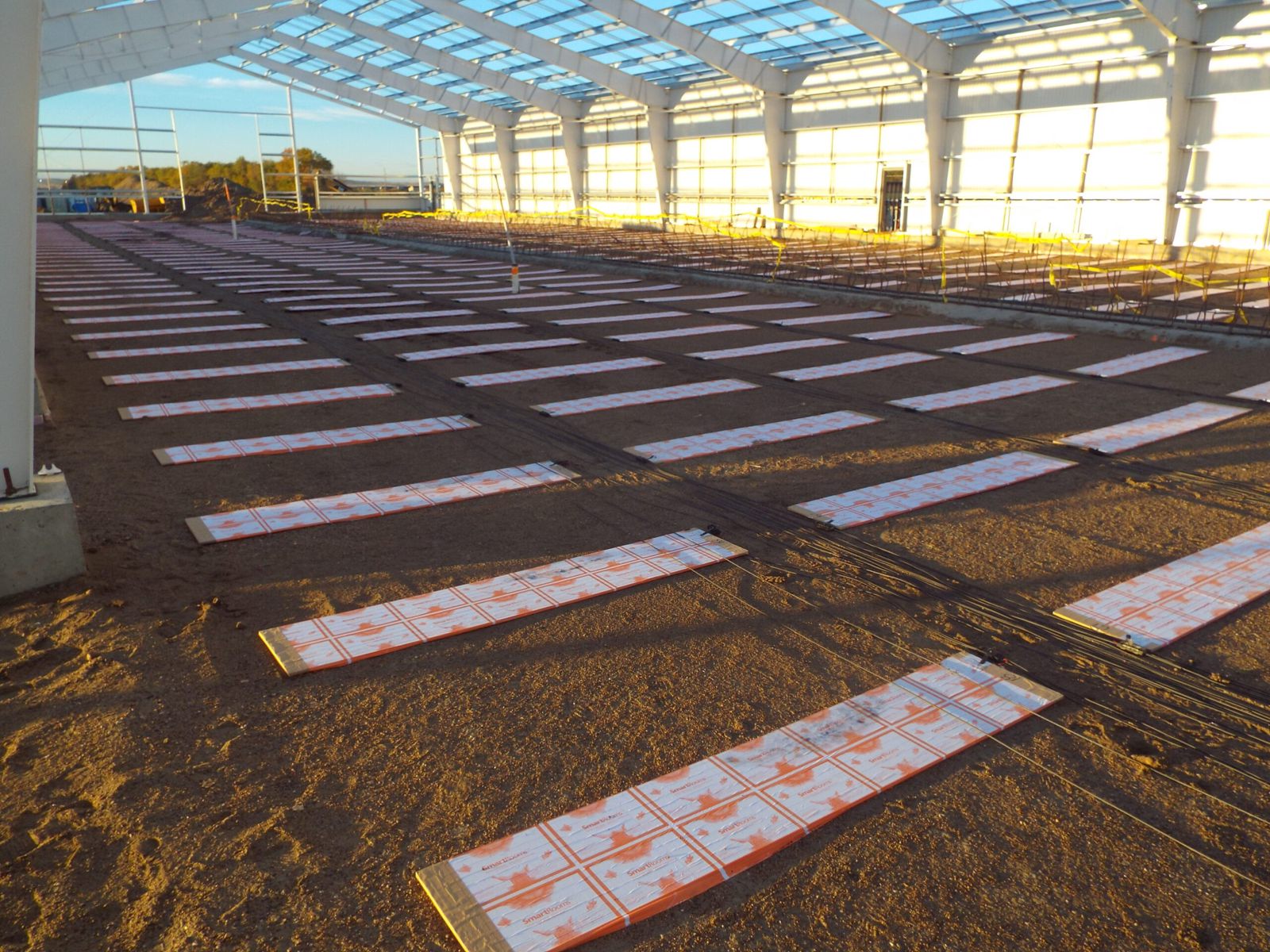
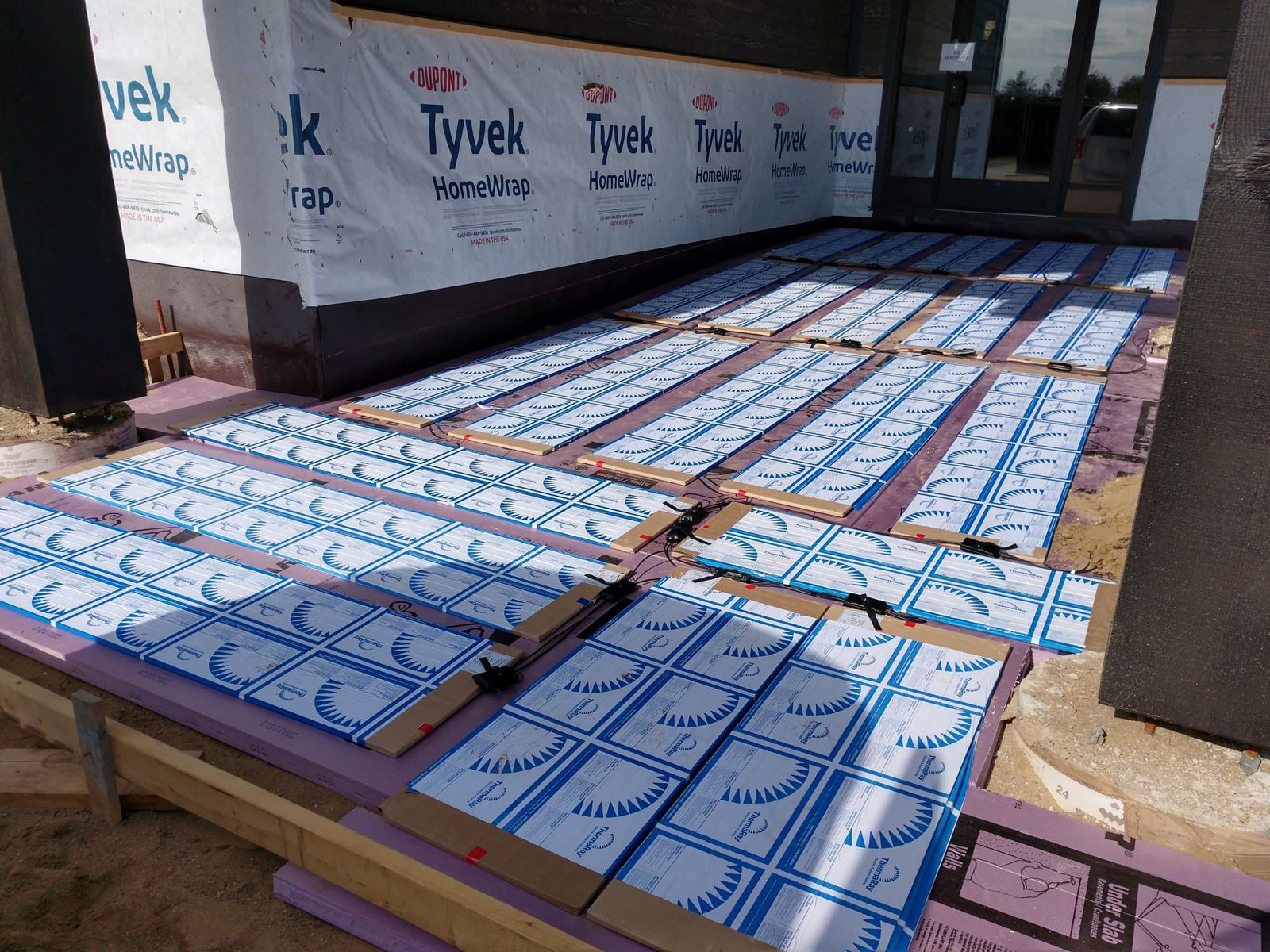
Under a concrete slab
Thermal Mass Storage Floor Heating
Panels go in below the slab and turn the concrete and the ground under it into a heat battery 2 to 2½ feet deep. The bigger the mass, the longer it holds heat and the less it costs to run. It charges on cheaper off-peak power and releases heat all day.
Panels lay between trusses or rafters, just above the drywall. They warm the floor, walls and windows the way sunlight does. Ideal when you can't tear up a floor.
Slim radiant metal panels that mount to a surface, hang from the structure or drop into a 2×2 or 2×4 ceiling grid. Heat lands exactly where people work.
A limited mass system that sits below the wear surface instead of being poured into the concrete. That protects it from the cracking, heaving, shifting and salt that destroy embedded systems. Sensors watch moisture and temperature and turn it on before snow sticks, so there's no shoveling, plowing or salt.
Sit next to a window in January and you'll feel it. The air is 70°, but the cold glass pulls heat out of your body. Forced air and baseboards heat the air. Radiant heat warms the surfaces around you: floors, walls, windows and you. That's why a radiant room feels warm at a lower thermostat setting.
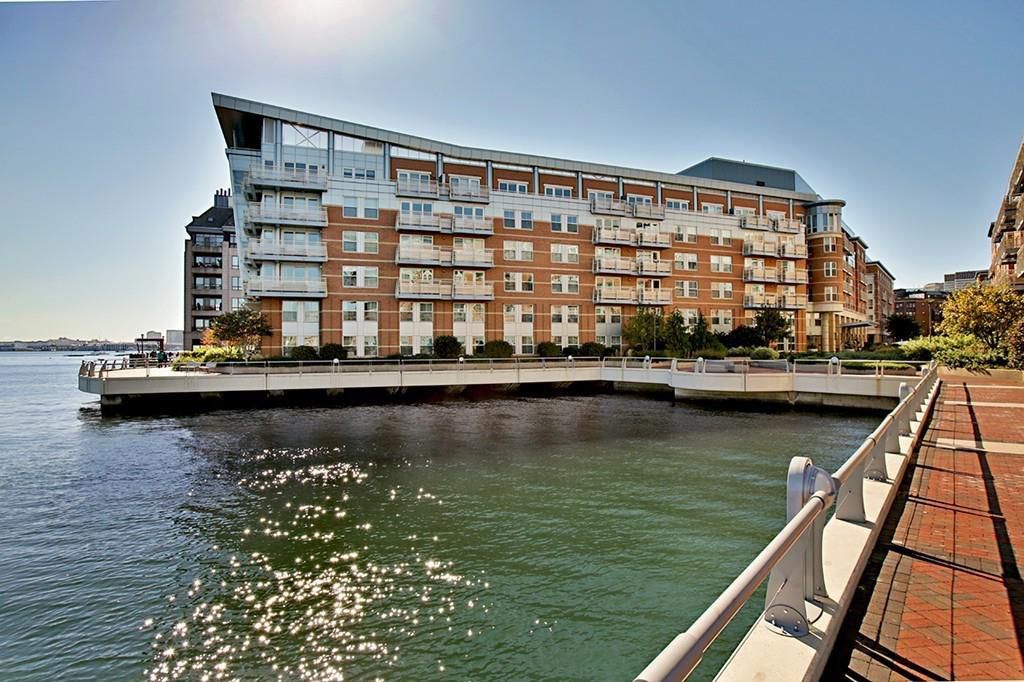
At Battery Wharf in Boston, ceiling panels run along every window wall so the owners can sit by the harbor view all winter.
ThermaRay compared with hydronic tubing.
Hydronic systems pump hot water through tubes in the floor. Here's how an electric thermal mass system compares.
ThermaRay electric radiant compared with hydronic tubing systems
Feature
ThermaRay electric radiant
Hydronic tubing
Cost to install
Usually a quarter to half the cost, depending on location
Boiler, pumps, manifolds and tubing
Cost to operate
35–70% less than hydronic or forced air, depending on power source
Higher, especially when insulation limits the thermal mass
Foam under the slab
Not needed for thermal mass systems
Usually required, often thousands in materials
Off-peak electric rates
Qualifies with most Midwest power companies
Most systems don't qualify
Mechanical room
Considerably less space
Room for a boiler and plumbing
Maintenance
None. No moving parts, nothing to replace, silent
Pumps, valves and fluid to service
Figures from Premier Energy USA project experience. Actual costs depend on the building, climate and electric rates.
From Lake Superior cabins to Manhattan condos.
A few of the buildings Premier Energy USA has heated with ThermaRay.
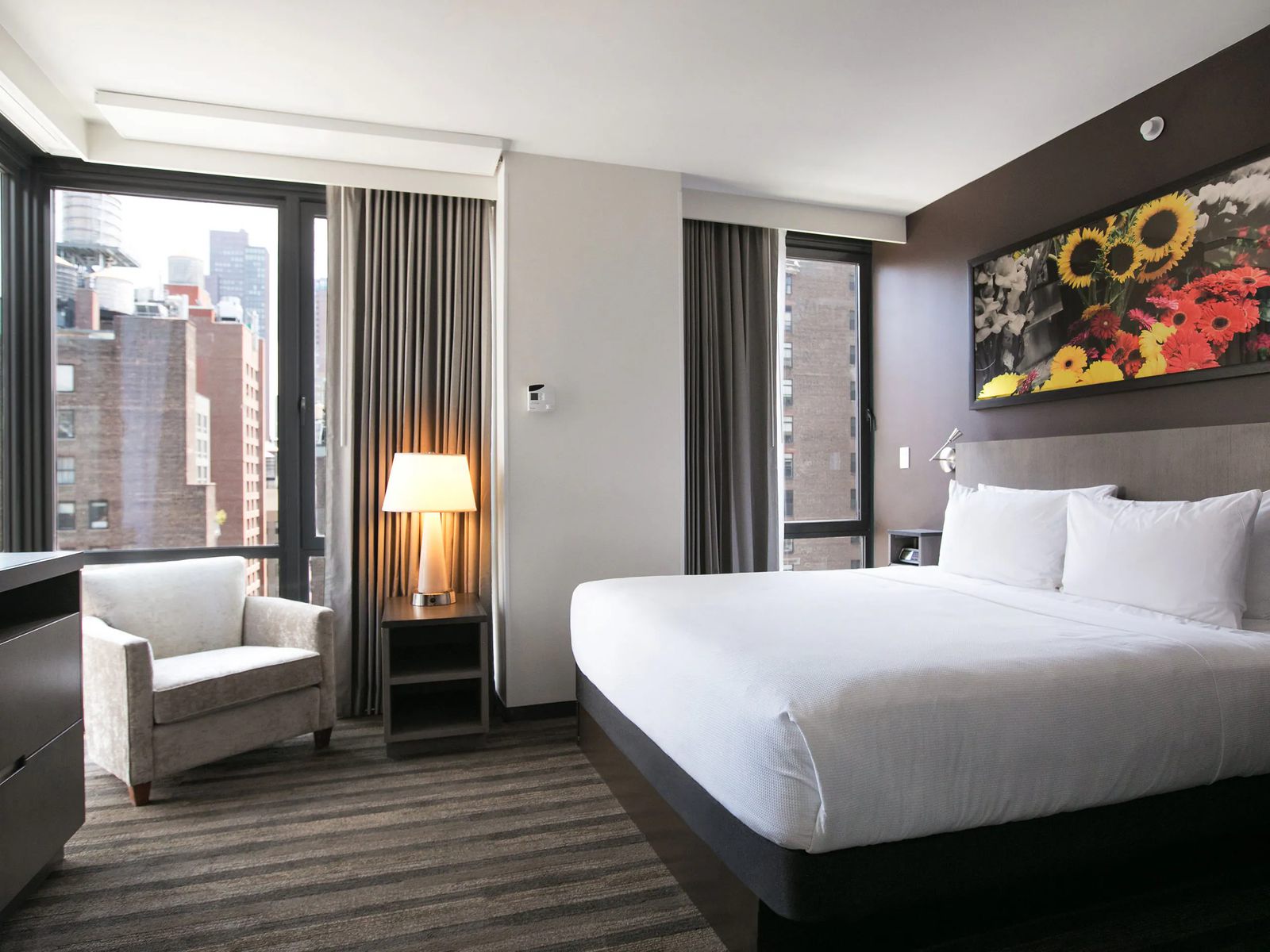
“Radiant heating panels offset the heat loss at the window while making the guest experience pleasant, providing them a gentle warmth while sitting on the bed near the curtain wall and window.”
Masha Dinaburg, Project Manager, MG Engineering D.P.C. Slim ThermaRay heaters are hidden behind the window valances.
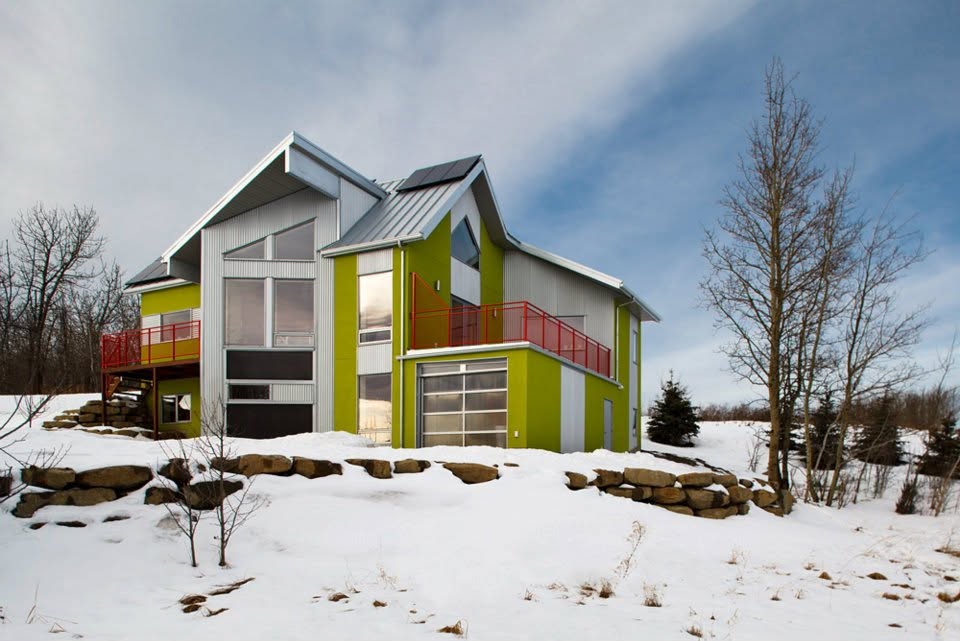
“We could never go back to living in a standard house. The extra effort was the best investment we have ever made.”
Spencer, EchoHaven homeowner, speaking to Construction Canada. Electric radiant heat in a house built to produce as much energy as it uses.
“We're now warm enough to know we will eventually just stay the winters and give up Hawaii … crazy, eh?”
Jim B., Lake Metigoshe, North Dakota. Thermal mass floor heat replaced baseboards and a wood stove.
“The Thermal Mass Storage Heating System is easy to install and well-suited to maximum demand control … We’re talking days’ worth of storage so the money you save is enormous!”
Ray Stoodley, Lead Electrical Engineer, Bay Newplan Group, on the thermal mass system at Melville Hospital, Newfoundland.
ThermaRay systems typically cost 35% to 70% less to operate than hydronic or forced air, depending on your power source. That holds even against systems burning natural gas. Thermal mass systems also qualify for off-peak electric rates offered by most Midwest power companies, which lowers the cost further.
Do I need foam insulation under a heated slab?
Not with a thermal mass system. Heat only moves toward something colder, so it stops spreading once the ground below reaches the same temperature, around 54°F. In a five-year North Dakota study of two identical duplex units, the fully insulated unit was only slightly cheaper to run. The insulation worked out to a 43-year payback.
Can my own electrician install it?
Yes. Most systems are installed by the owner or a local electrician. We provide the design, drawings and installation videos, and we can help coordinate the install if you'd like. A typical residential thermal mass floor takes two people about 3 to 5 hours.
Can radiant heat be the only heat in a building?
Yes. Thermal mass floor heating and radiant ceiling heat are both designed as primary heat, including in North Dakota and northern Minnesota winters. Floor joist heating, floor warming and metal heaters can be primary, supplemental or spot heat.
Is radiant heat the same as infrared?
They're closely related. Radiant heat is any heat that travels as electromagnetic waves and warms objects directly instead of the air. Infrared is the part of that spectrum, just below visible light, that's especially good at warming surfaces and people.
Where do you work?
We're based in the Minneapolis area and supply projects across the US and Canada, from cabins in Minnesota and North Dakota to condominiums in Boston and Manhattan and a net-zero community in Calgary.